
The Government of South Sudan has formally approved a SSP 7 trillion national budget for the 2026 fiscal year, signaling a renewed push toward fiscal stability, improved public service delivery, and nationwide infrastructural development.
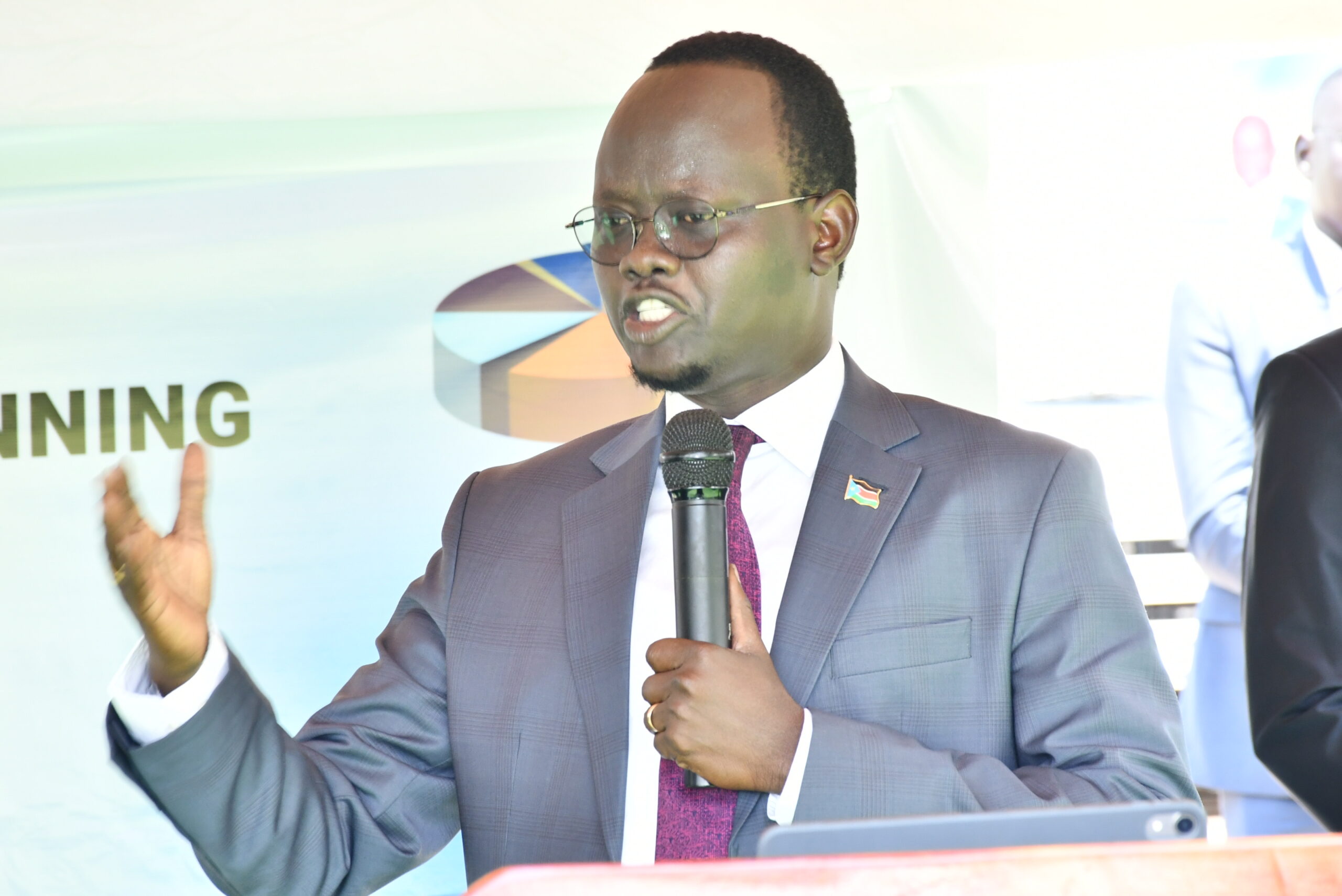
Announcing the budget, Finance Minister Dr. Barnaba Bak outlined the government’s spending priorities, noting that SSP 1.9 trillion has been allocated to the payment of wages and salaries. This allocation is expected to stabilize the public sector by ensuring timely compensation for civil servants, security personnel, teachers, and healthcare workers, groups considered vital to the country’s day-to-day functioning.
The remaining SSP 5.1 trillion has been earmarked for service delivery and infrastructural development across the country. According to the Ministry of Finance, this portion of the budget will support critical sectors such as roads and transport, healthcare, education, water and sanitation, energy, and other essential public services. The government says the focus is on projects that directly impact citizens’ livelihoods and promote long-term economic recovery.
Officials emphasized that the 2026 budget is designed to strengthen institutions, improve access to basic services, and lay the groundwork for sustainable development. Infrastructure investments are also expected to stimulate economic activity, create employment opportunities, and enhance connectivity between regions.
While the approval of the budget has been welcomed as a positive step, observers note that effective implementation, transparency, and accountability will be key to ensuring that the allocated funds translate into real improvements on the ground.